

After Amalfi

On a long weekend in Paris two years ago, I made a pilgrimage to my personal Mecca, Le Bon Marché. My French mother first took me to the luxury department store decades ago and in my heart I’ve never left.
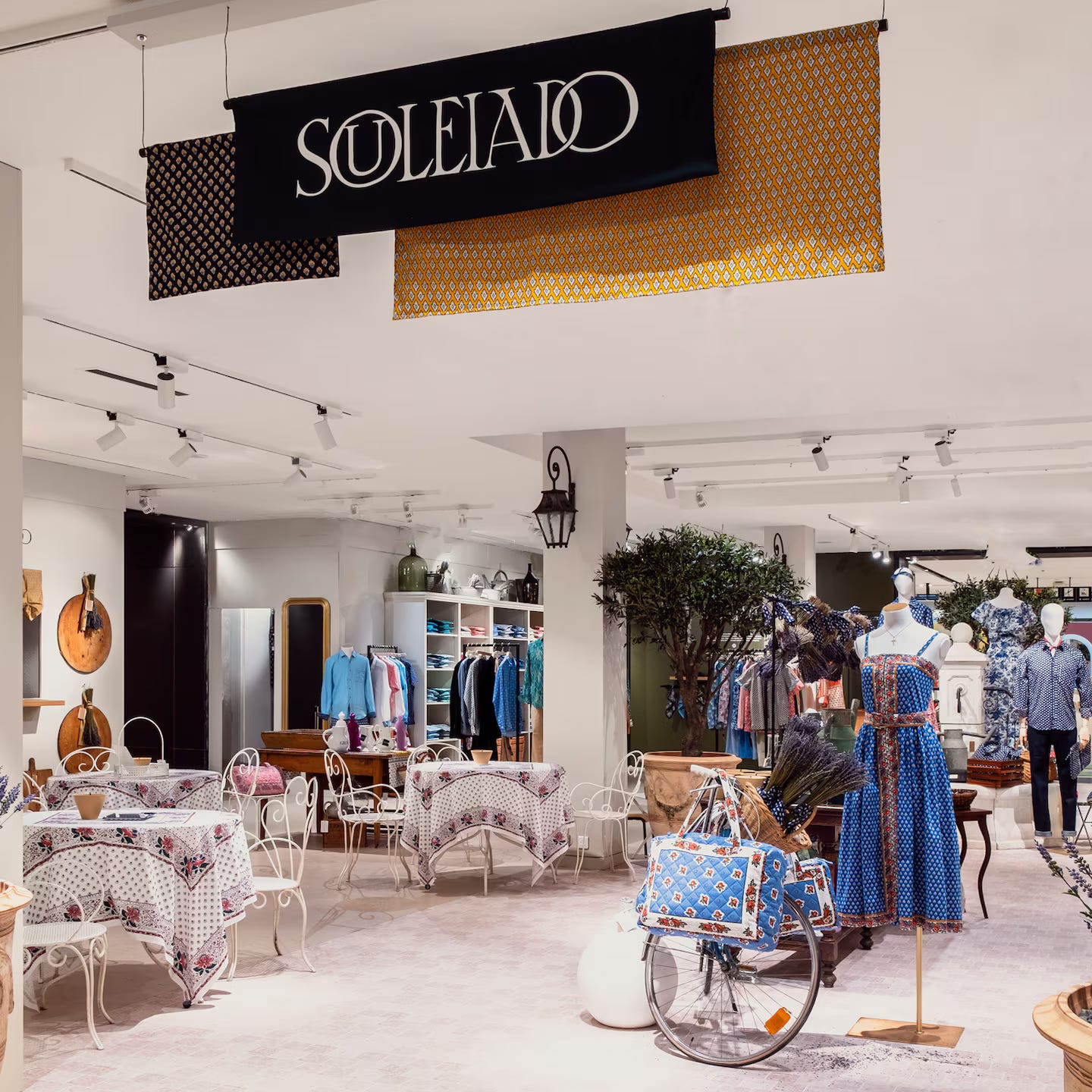
I only had about half an hour (and minimal budget) to spend so I zipped through the designer vignettes, only halfway registering the gorgeous, over the top cocktail dresses as I searched for something practical but still special. I settled on the breeziest patterned cotton button down shirt from Souleiado, a brand that (I thought) was new to me and yet somehow also wasn’t. It was a blustery March day and I could picture the summer sun moving through the light fabric in a way that transported me immediately.
Once home, I reported back to my mother on my Paris purchases, including the Souleiado top. “Have you heard of this brand?” I asked her. She is too gentle to roll her eyes, but quickly schooled me on the Provençal brand’s history (around since the 1800s) and influence (on anything Provence- or French Country-related) in a way that immediately made its lingering familiarity make sense.
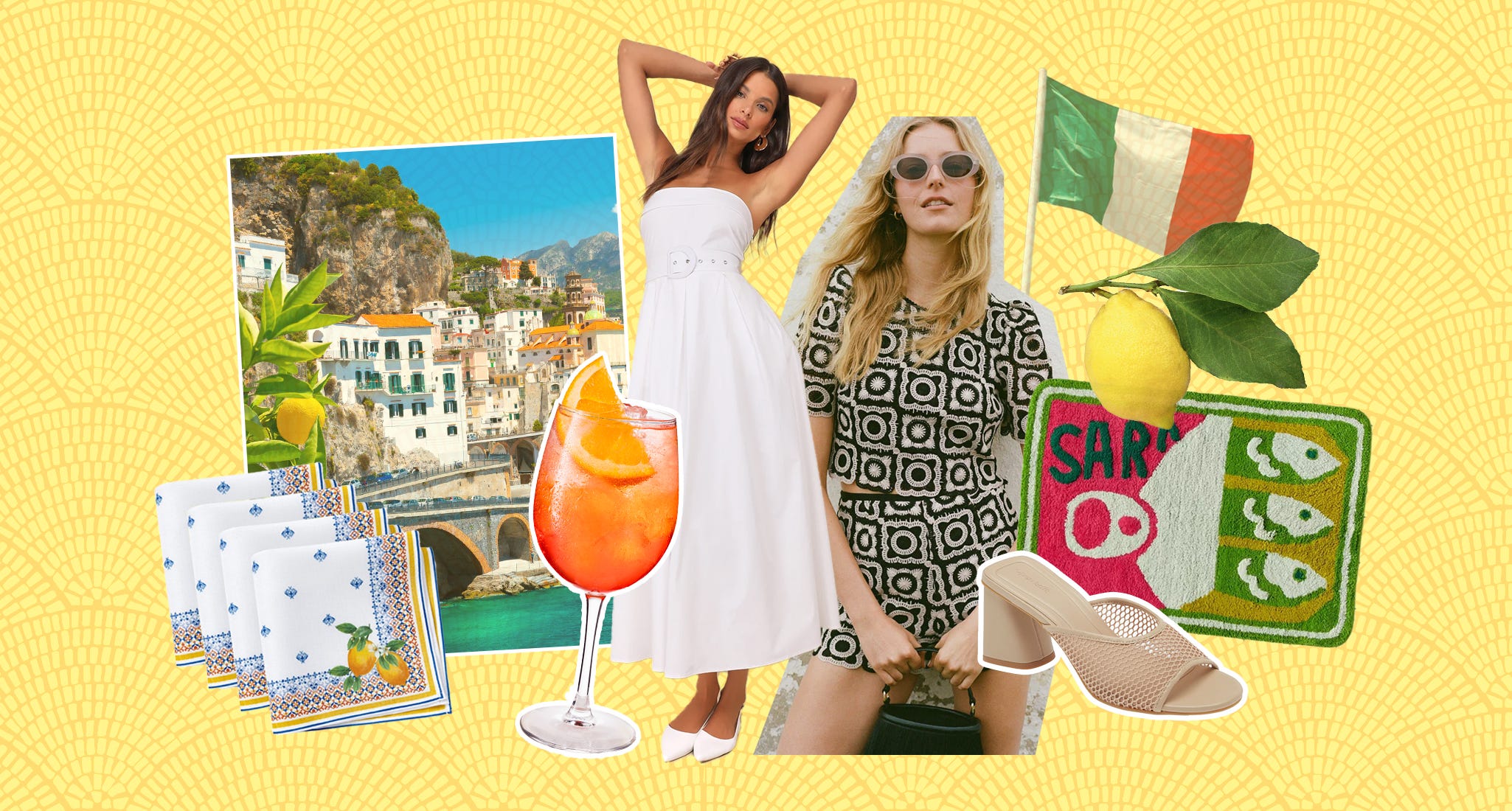
This was 2024, at the height of Amalficore — a US trend that saw the meteoric rise of Aperol, vacations on the Amalfi Coast, and lemons on absolutely everything. For years now, the Dolce Vita aesthetic has been a dominant trend in fashion, interiors, cocktail menus and Pinterest travel boards. While my Instagram feed’s recent spring break activity indicates that Aperol Spritzes and travel to Italy are still alive and well, the lemon motif could use a break. I submit, instead, for consideration: Provencecore.
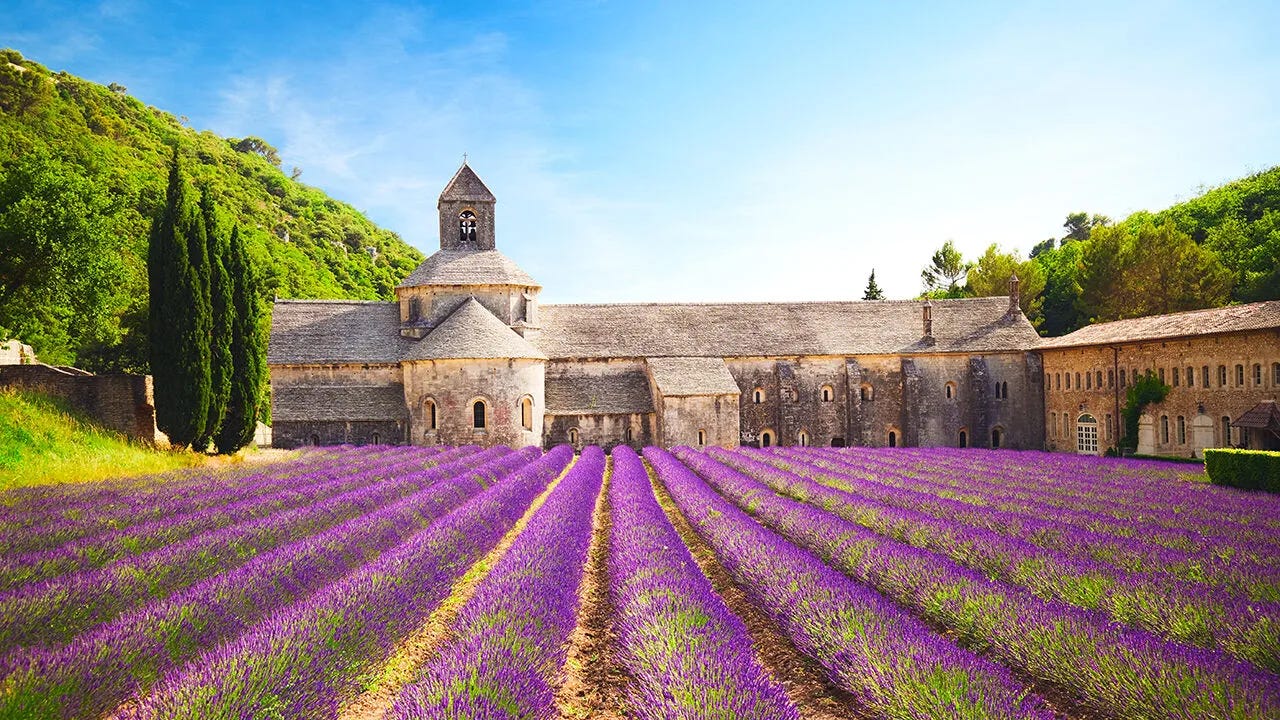
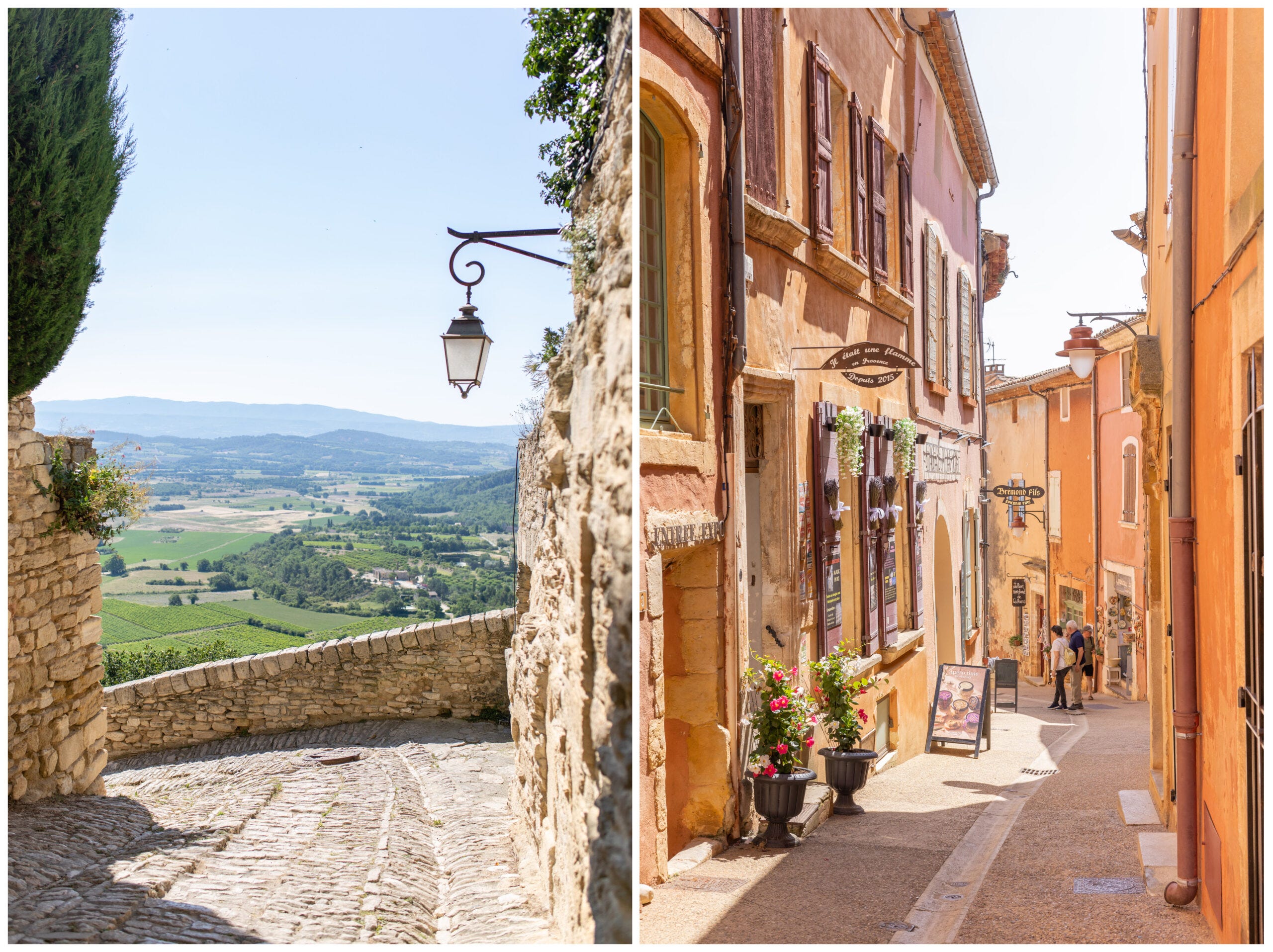
France has vied with Italy for the American cultural appetite (and tourism dollars) for centuries, with one country usually pulling ahead at any given moment. Provence, the southeastern province of France that borders Italy and the Mediterranean and includes cities like St. Tropez, Cannes, and Aix-en-Provence, has had many moments in the spotlight and is hardly an undiscovered gem. Yet the Provençal aesthetic — lavender fields, sun-bleached limestone, hand-blocked linens and olive oil — is simultaneously fresh and nostalgic in a way that feels primed for a comeback.
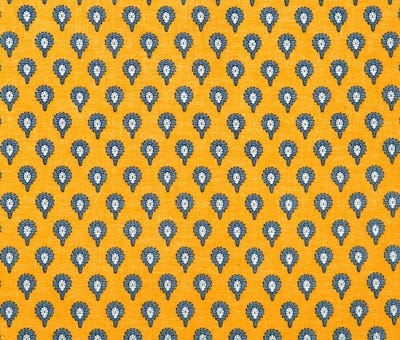
In 1967, two men named Pierre – Pierre Moulin, a Frenchman, and Pierre Le Vec, an American of French descent – opened an interiors store in NYC’s Greenwich Village they called Pierre Deux (two Pierres, because the only thing more French than one Pierre is two). Inspired by the French art de vivre, Pierre Deux stocked furniture, linens, and pewter objects the Pierres imported from the South of France and sold to discerning American customers who were ready to move on from the pastel maximalism of English Country and chintz. Their most popular products were bags, clothes and objects made of – you guessed it – Souleiado fabrics. Souleiado was already famous in France for its printed textiles historically known as indiennes – the hand-blocked and later roller-printed cottons that arrived in France via trade with India and the Levant in the 17th century. “Souleiado” comes from a Provençal word meaning the rays of sun breaking through clouds after rain, and the brand has a fascinating history (I wrote it all down before remembering that this is not a history blog!).
![Pierre Deux's Brittany: A French Country Style and Source Book [Book]](https://substackcdn.com/image/fetch/$s_!tL_K!,f_auto,q_auto:good,fl_progressive:steep/https%3A%2F%2Fsubstack-post-media.s3.amazonaws.com%2Fpublic%2Fimages%2Fe7240371-6b50-41a2-aa1f-969c0422cea5_1538x1600.jpeg "Pierre Deux's Brittany: A French Country Style and Source Book [Book]")
Americans were endlessly charmed and the store eventually expanded to 22 locations globally – the Pierre Deux aesthetic was everywhere and knockoff brands multiplied (Vera Bradley being one of them). Beyond textiles, the French Country lifestyle was further popularized by Peter Mayle’s 1989 memoir A Year In Provence, an international bestseller that followed the British ex-pat’s charming adventures among the lavender fields and olive groves of rural Provence. Mayle, a former creative director at advertising agency BBDO, unwittingly launched a marketing campaign for the sensory language of the region – slow craftsmanship, cheap, fresh Mediterranean cooking, and sun-drenched hikes. Suddenly everyone’s underwear drawers were filled with lavender sachets.
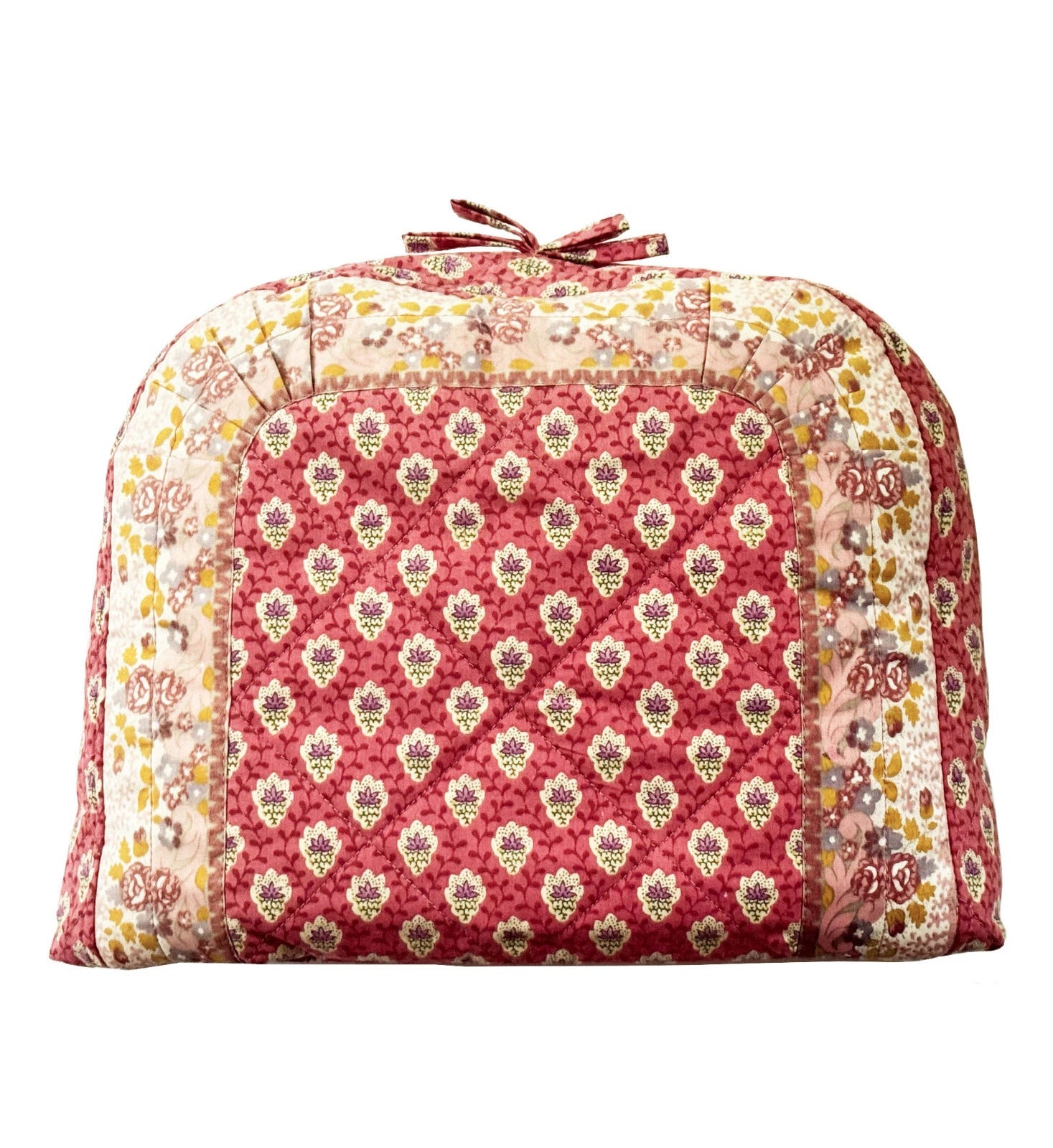
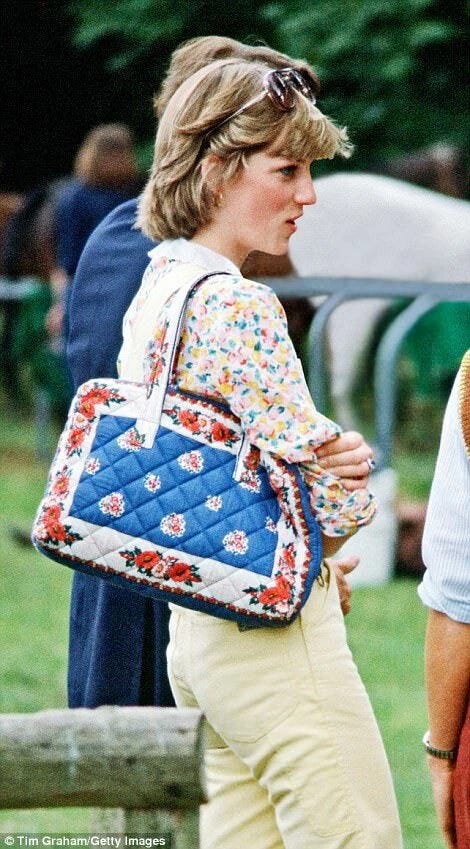
It makes sense, then, that French Country – the lifestyle trend that dominated American design when I came to consciousness – stirs something in me, a child of the 80s and 90s.
Pierre Deux closed most of its doors in 1989 when the founders retired. By the late 90s, French Country had given way to the rustic earth tones and decorative wood cabinetry that McMansion kitchen designers called “Tuscan.” Then, in the mid 2010s, Joanna Gaines urged us to romanticize our homegrown rural enclaves – in her case, Texas – as she arrived on our TV screens, whitewashing and shiplapping her way to a lifestyle empire. The most distinguishing feature of these trends became their ubiquity. You can’t throw a stone in the suburbs anywhere in this country today without hitting a Tuscan- or Farmhouse-inspired kitchen.
Where did the Italian lifestyle craze come from? If you ask me, we can trace it back to the rise of the Aperol Spritz. In 2018, the Campari-owned brand launched a spectacular run fueled by a robust marketing budget and brand activations introducing Americans to the Aperitivo occasion in aspirational destinations like the Hamptons. Hard as it is to imagine less than ten years later, the concept of brands building “Instagram-first” experiences was still novel, even controversial. As the US Brand Manager for Chambord Liqueur at the time, I followed breathlessly as a fellow “ingredient brand” (typically lower proof products that get mixed into cocktails vs consumed on their own) started dominating social media feeds. I had so much envy that soon after Aperol wrapped the Hampton Jitney, we did the same.
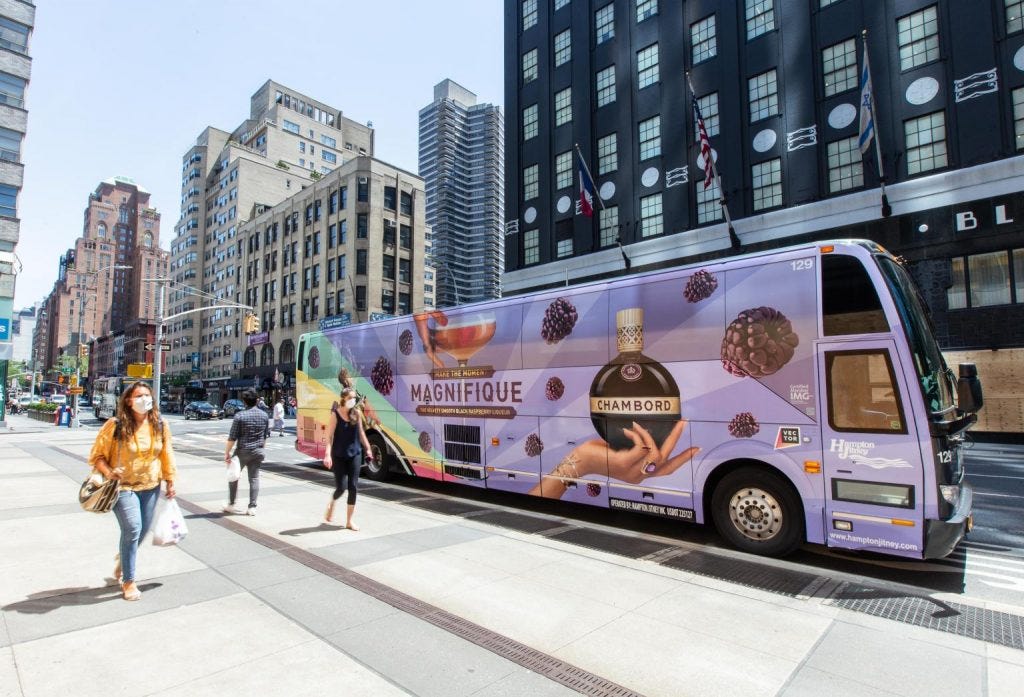
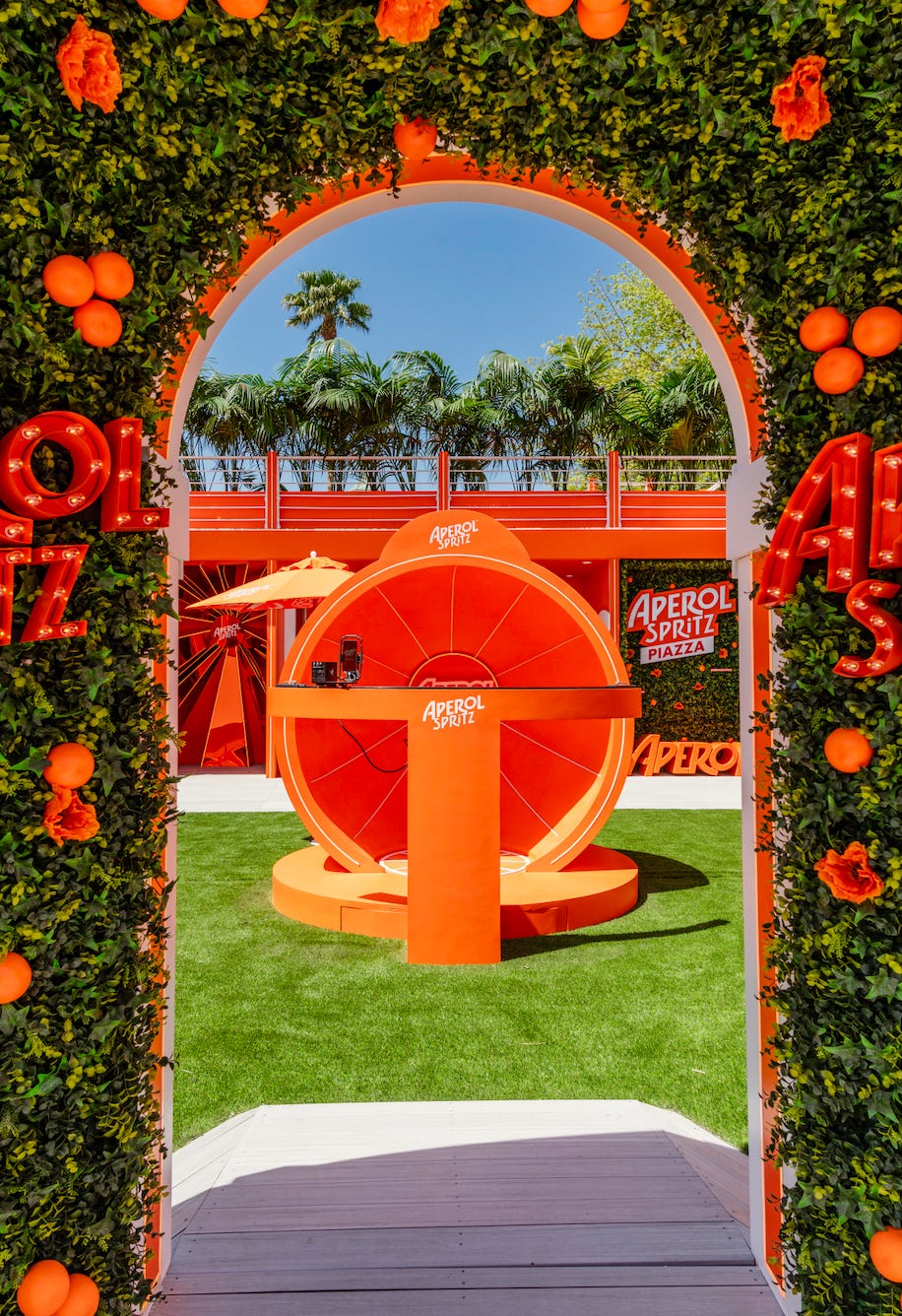
It wasn’t long before the Aperol Spritz became the signature cocktail of every wedding in the country (directly preceding a honeymoon in Positano, naturally).
Of course, travel paused in 2020 with the onset of the COVID-19 pandemic and we were trapped in our homes, starved for escape and sipping our sad homemade Aperol Spritzes while watching Tiger King and pretending Zoom party games were fun. Once unleashed, Americans flocked to the Italian coast to experience the real thing. Again, Instagram was filled with Aperol orange – this time set against cerulean, lemon yellow and terracotta. Travelers returned home bearing blue and white ceramics, and lemons became the go-to decor item just as “tablescape” became a word on everyone’s lips.
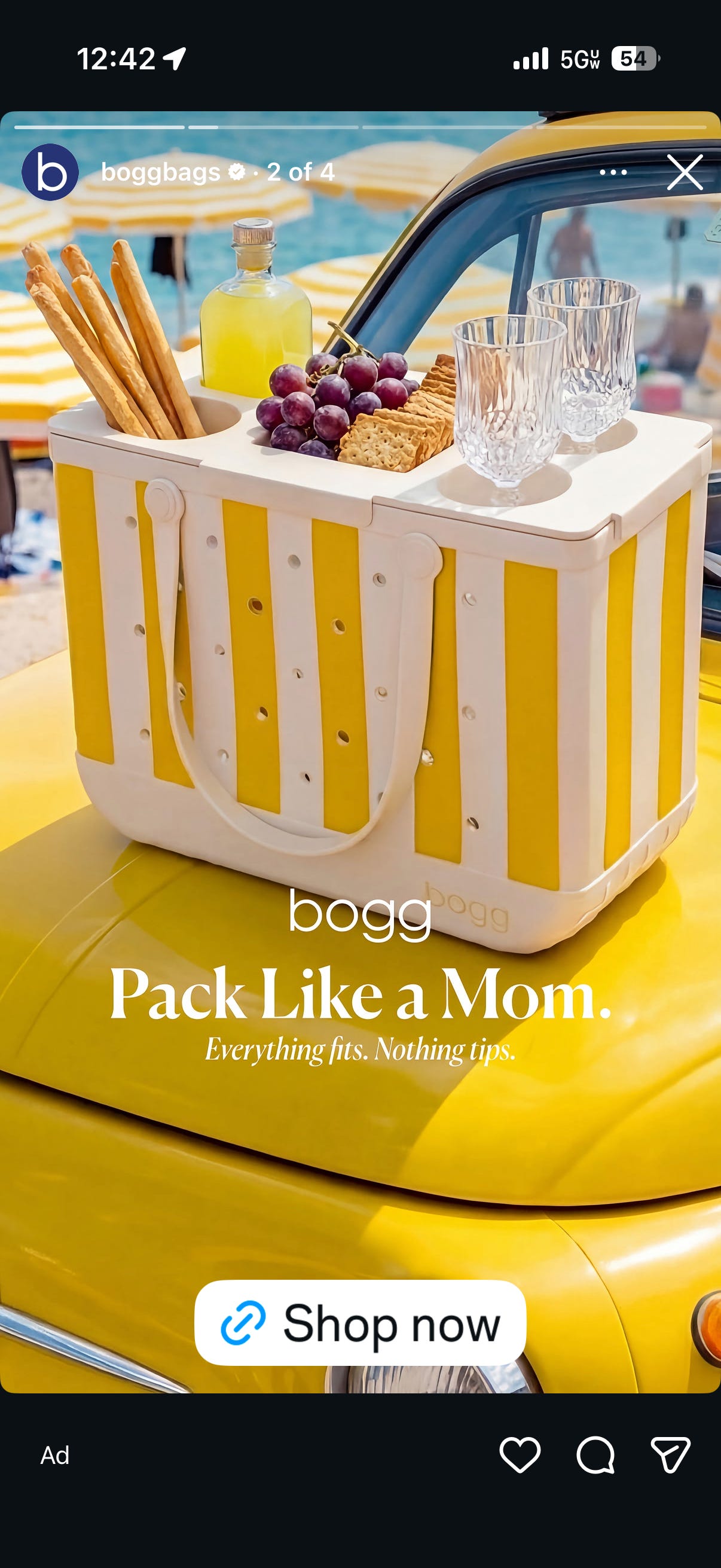
I love Italy. I have never met anyone who doesn’t! But now that Bogg – the $100 piece of plastic that’s become the suburban mom status tote – has an Amalfi collection, I think we’re ready for something different. I’m returning to my ancestral aesthetic home and I invite you to come with me.
The Provençal visual world offers such rich territory for exploration and the time is right. We know everything from the 90s is back, and, importantly, a decade of provenance-forward CPG marketing has trained consumers to want the sourcing story alongside the object.
The opportunity for brands is specific enough to be easily actionable. In textiles, indiennes print is available to any brand with the desire to source it correctly – Souleiado’s archives in Provence hold 360 years of printing blocks, and the brand, revived under new ownership in 2009, is not yet back in American retail. The designer Jacquemus has been making the fashion case for Provençal sensibility for a decade, using lavender fields as a runway and the mas (a typical limestone dwelling) as a photo shoot backdrop – but the home and accessories market hasn’t followed.
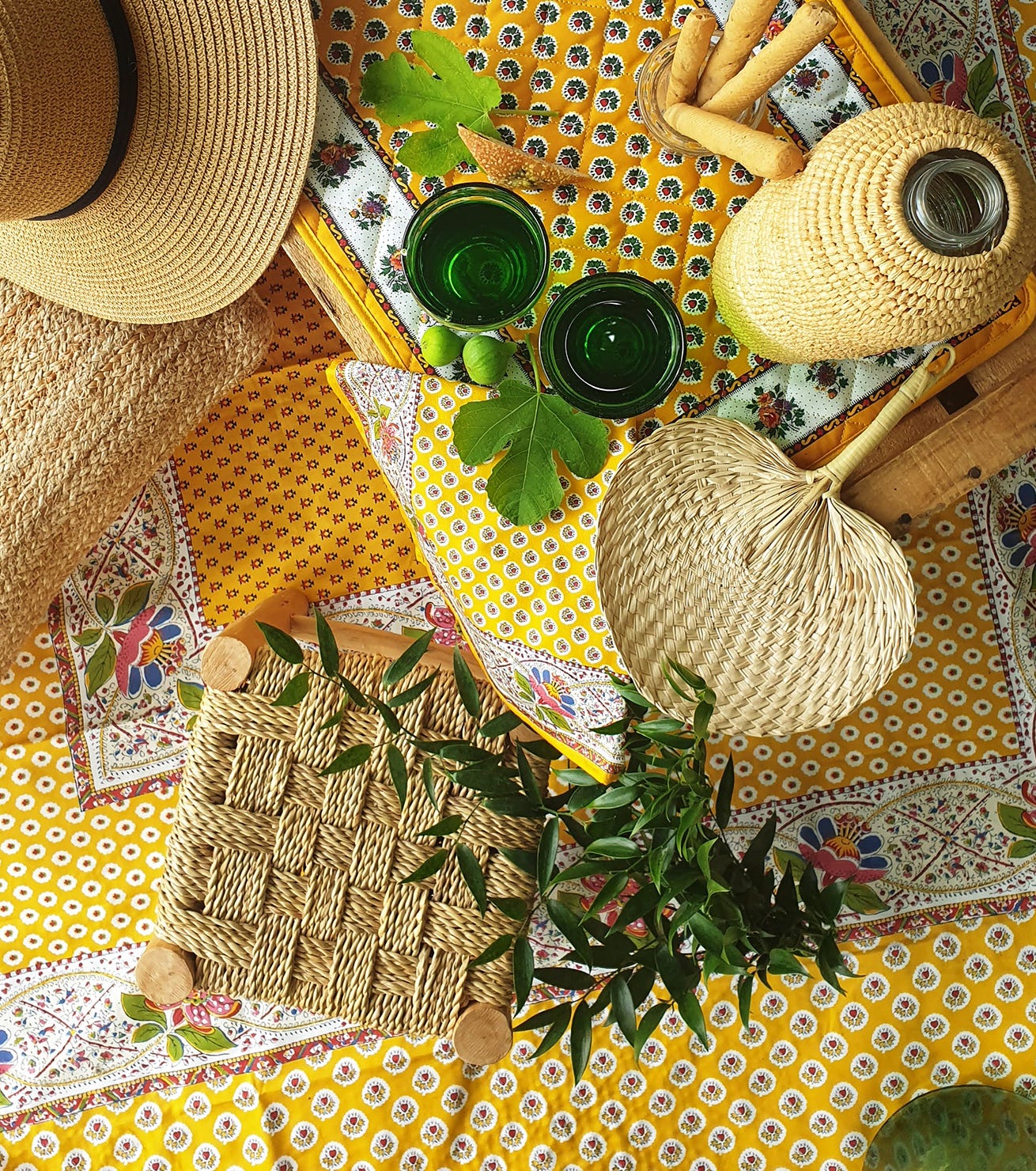
In flavor and fragrance, lavender’s rehabilitation is already somewhat underway in culinary contexts, separating itself from the old person lotion association (my opinion) it acquired in the 90s. Then there’s the herbes de Provence flavor profile – thyme, rosemary, savory, the whole dried-herb complexity that comes in its own ceramic jar – that’s designed for modern cocktail menus. Rosé doesn’t need help. Tapenade, lavender honey, the whole pantry of the region is mostly untouched by American brand storytelling. There’s so much genuine material to work with.
The afternoon I bought the Souleiado shirt, I didn’t know what I was looking at – only that it felt like something I’d been waiting to find (could’ve just asked my mother, as it turns out). Aesthetics with longevity don’t position themselves as trends. They sit in archives and attics and the back rooms of factories in the South of France, waiting for the right moment to feel new again. That moment is now – the lemon had a good run.
Great writing. I think William Sonoma stores will lean into this aesthetic in some of their displays. Maybe not enough to call it provencecore though!
Another wonderful post! I look forward to reading them so much and I am always getting new knowledge and and a fresh point of view.